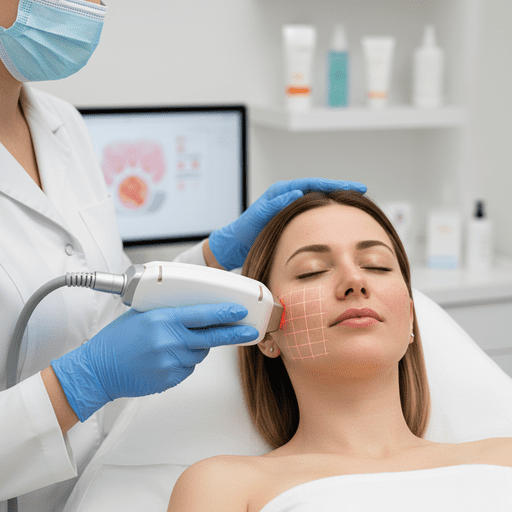
Rosacea is a chronic skin condition that causes persistent redness and visible blood vessels, primarily on the face — including the cheeks, nose, forehead, and chin. It often begins after the age of 30 and can appear in cycles of flare-ups and remissions. In some cases, rosacea may also cause small, red bumps or a stinging sensation on the skin. While there is no permanent cure, symptoms can be effectively managed through professional treatments, including medicated creams, oral medications, and specialized skincare routines prescribed by dermatologists. Early intervention can help minimize flare-ups and maintain clearer, calmer skin.
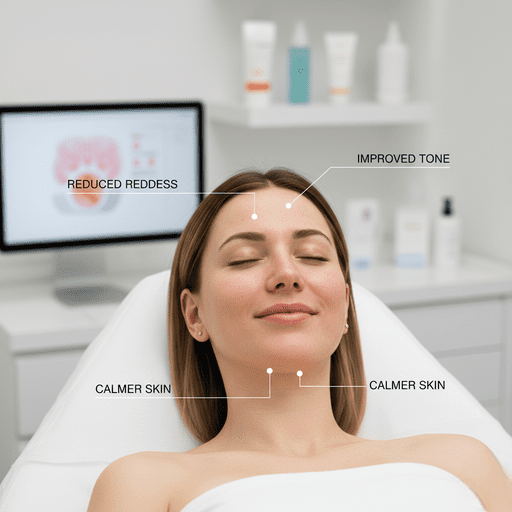
✔ Reduces facial redness and flushing ✔ Minimizes visible blood vessels ✔ Controls breakouts and inflammation ✔ Soothes irritated, sensitive skin ✔ Improves overall skin tone and texture ✔ Boosts confidence and self-image ✔ Slows symptom progression ✔ Tailored solutions for different skin types
Aftercare
Post-Treatment Guidance
What to Expect/Aftercare?
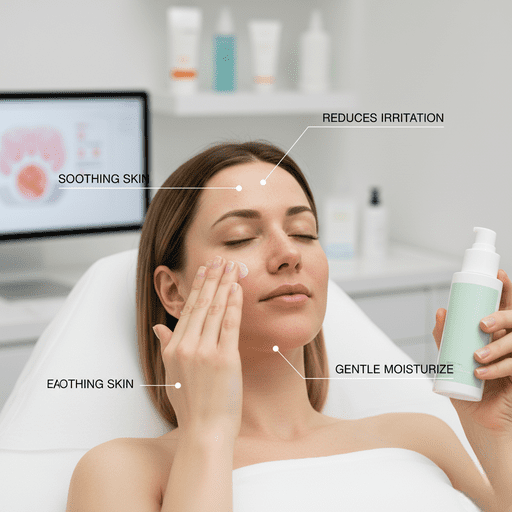
• Mild redness or warmth post-treatment is normal • Avoid sun exposure for 48 hours • Apply a gentle, fragrance-free moisturizer daily • Use a broad-spectrum SPF 30+ sunscreen • Refrain from hot showers or steam rooms • Avoid alcohol-based skincare products • Do not scrub or exfoliate treated areas • Follow your dermatologist’s skincare routine • Expect gradual improvement with consistent sessions
Faq
Frequently Asked Questions
Before your treatment, it’s natural to have questions. We’ve answered some of the most frequently asked ones to help you feel informed and confident. If you need more details, our team is just a message away.